- Revolutionizing Fracture Treatment: The Science and Application of Intramedullary Nails in Modern Orthopedics
- QMA RF Coaxial Connectors: Essential Components for Modern Communication Systems
- Temperature Sensors: Essential Components for Modern Industrial Monitoring and Control
- Slit Valve Door Technology: Critical Components for Semiconductor Manufacturing Excellence
- Enhancing Patient Care with Advanced Bedside Cabinet Solutions
- Understanding Pressure Transducers: Technical Principles, Applications, and Selection Guide
- Fiberglass Composite Air Ducts: Revolutionizing Modern HVAC Systems
- Slit Valve Door Technology: Critical Components for Semiconductor Manufacturing Excellence
新闻动态
 Company Profile
当前位置:首页 > Company Profile >
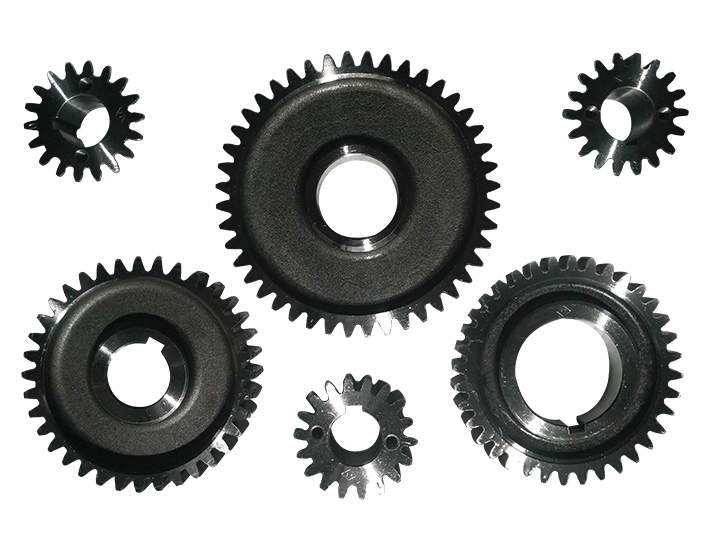
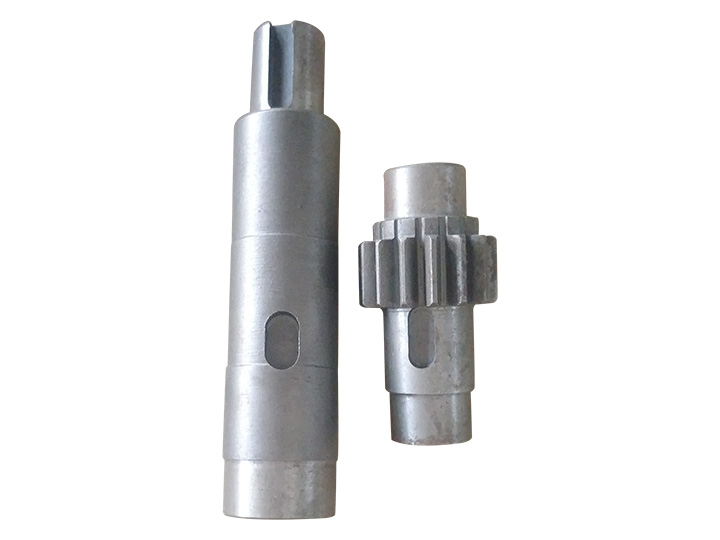
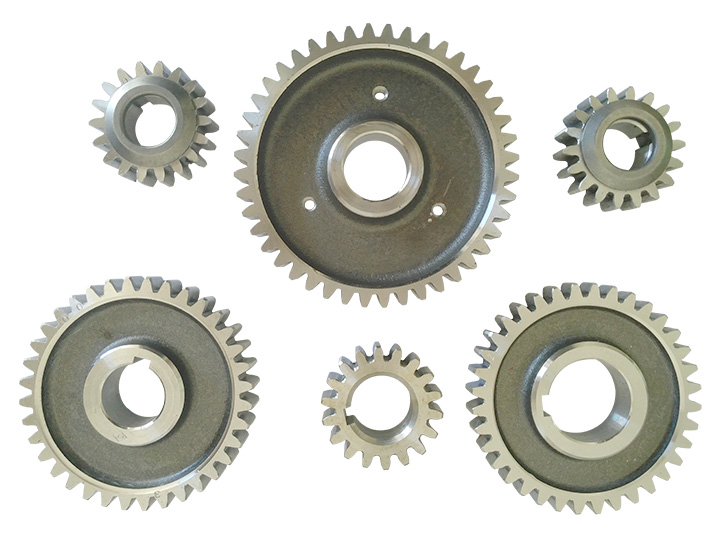
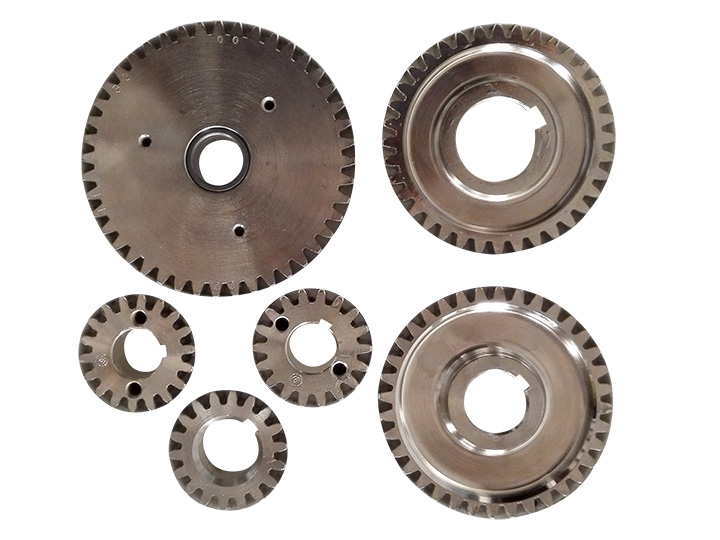
Structural classification of gears
Generally divided into gear teeth, tooth grooves, end surfaces, normal surfaces, tooth tip circles, tooth root circles, base circles, and index circles.
End face: It is the flat surface at both ends of the gear.
Normal surface: refers to the plane perpendicular to the gear tooth line.
Tooth tip circle: refers to the circle where the top of the tooth is located.
Tooth root circle: refers to the circle where the groove bottom is located.
Basic circle: The generating line forming the involute acts as a pure rolling circle.
Industrial circle: It is the reference circle for calculating the geometric dimensions of the gear within the end face.
End face: It is the flat surface at both ends of the gear.
Normal surface: refers to the plane perpendicular to the gear tooth line.
Tooth tip circle: refers to the circle where the top of the tooth is located.
Tooth root circle: refers to the circle where the groove bottom is located.
Basic circle: The generating line forming the involute acts as a pure rolling circle.
Industrial circle: It is the reference circle for calculating the geometric dimensions of the gear within the end face.